The Professional Branding Effect
How does strategic branding set you up for success?
Branding is a trending subject these days, especially on social media. As user-friendly visual tools like Canva and generative AI become more available, it’s easy to let professional branding fall by the wayside as businesses aim to save money. Using ubiquitous templates or AI to throw something together is tempting, especially when you are just starting out. While we love to see businesses thriving with DIY, it’s worth taking a moment to really understand what it means to create a brand, what professional branding includes, and how investing in it early can set you up for success (and a solid return on investment).
What is professional branding?
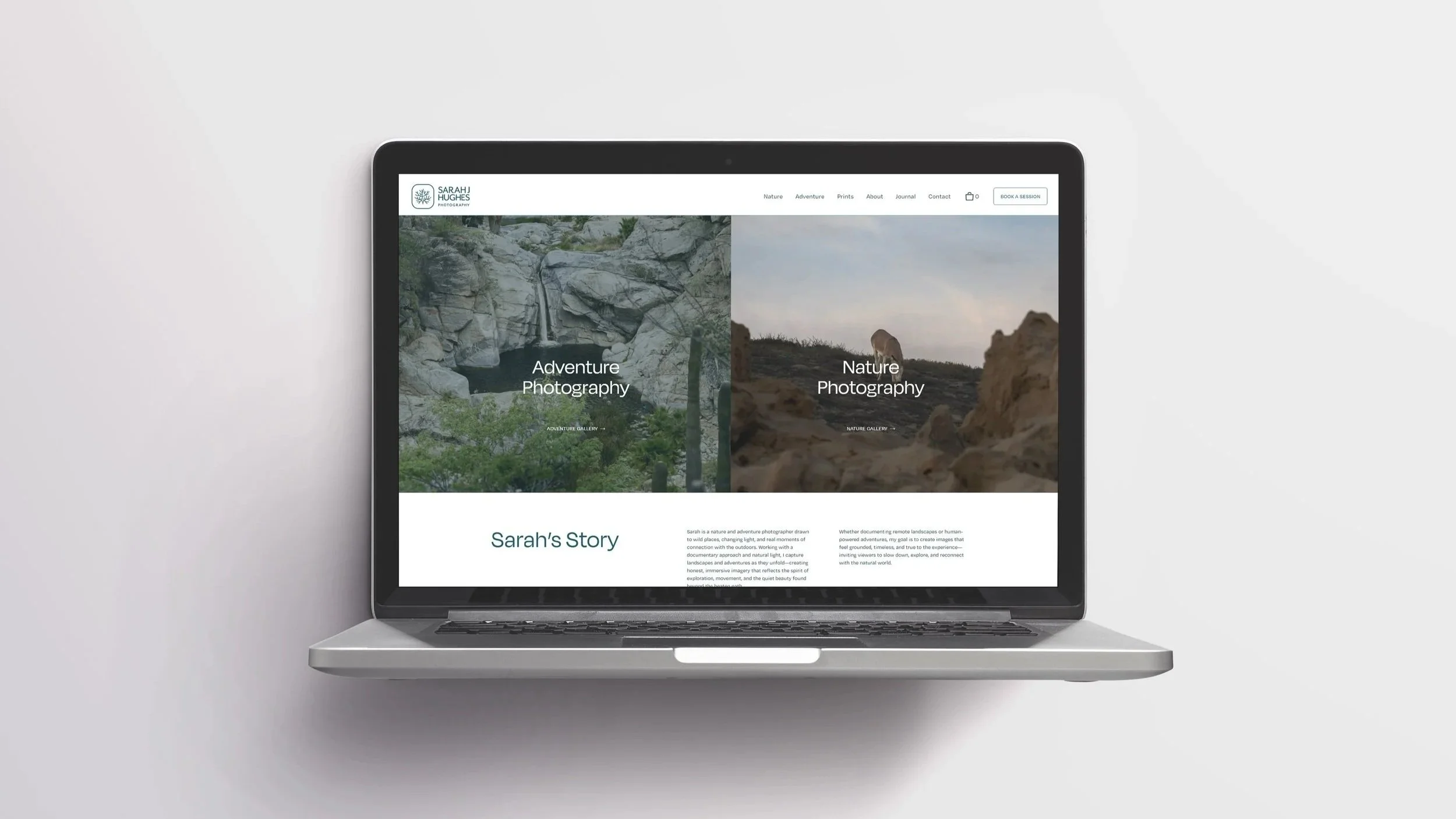
Mostly everyone has a good idea of what a brand is, but the process of actually building or evolving a brand is worth diving into. Branding is the process of shaping how your business is perceived by your customers, your community, and your competitors. It's the collection of visual, verbal, and emotional cues that tell people who you are, what you stand for, and why they should choose you over someone else.
Branding lives in two interconnected spaces: your visual identity and your brand identity. They work together, and when they're strategically aligned, the result is a brand that feels cohesive, recognizable, and trustworthy. When you work with an agency, a brand designer will typically guide you in creating both your visual and brand identity, providing you with everything you need to keep your content branded and consistent across every channel.
Your visual identity
Your visual identity is the part of your brand your customers see, and is responsible for the first impression you make on your audience. It's the tangible expression of who you are, and it includes more than just a logo.
Logo design is typically where most businesses are excited to focus. A well-designed logo is distinctive, versatile, and communicates something meaningful about your business. When designing your logo, a brand designer will take a deep dive into your business’ history, your goals, the competition, your aesthetic preferences, your inspiration, and many other factors before presenting you with several concepts to review and provide feedback on. This process helps you remain objective when considering your brand, while allowing you to have an active role in shaping your visual identity. Once a final logo concept has been decided on, professional designers will provide you with a logo package that contains your chosen design in several layouts, often in both a primary and secondary colourway, greyscale, and black and white versions, vectors, and every type of file you need for digital and print usage.
A designer will also develop an intentional colour palette for you, which is more powerful than most people realize. Colour psychology is a real and well-documented field, and the colours you choose for your brand send signals before a single word is read. A clearly-defined colour palette is also necessary to make your brand instantly recognisable. Without a professional’s input, there is a risk of introducing colours that are off-brand, diluting your content, or worse, closely emulating another brand. Your colour palette is also important for technical reasons, like creating content that is accessible and has enough contrast.
Typography, which is the art of choosing the right fonts and using them well, is another important element to creating a strong visual brand. The typefaces you choose for your brand say a lot about your personality. A clean, modern sans-serif feels different from a classic serif, which feels different from a hand-lettered script. Typography plays a major role in readability and accessibility, which matters a great deal on websites and digital platforms.
Supporting visual elements (like patterns, textures, iconography, illustration styles, and photography direction) round out your visual identity and give your brand depth. A professional designer will often cover these elements in a detailed brand standards guide. These guides can be referenced to understand appropriate and consistent use of your logo, ensuring that the correct colours and layouts are used in certain places and mediums, and will help you understand the way your colour palette and fonts should be used in your designs. This keeps you consistent as you work to grow your business.
Your brand identity
While your visual identity is what people see, your brand identity is what people feel and understand. It goes deeper than design and encompasses the values, voice, and purpose that sit at the core of your business. This not only guides your customers in understanding who you are, but is something that you can revisit internally with your team as you grow, keeping you on a consistent path that feels true to who you are.
Your mission and values define what your business stands for and how you operate. They influence every decision you make, from where you source your products from to how you handle customer service. When these are clearly defined and genuinely lived, they attract the right people and build trust with your audience.
A strong brand will also have a clear value proposition, which is what makes you different from your competition. It's the answer to the question: why should someone choose you? A value proposition should be specific, honest, and speak directly to your ideal customer’s needs.
An area that is frequently neglected is your brand’s voice and tone. A professional designer will cover this with you while developing your brand, and it is currently more important than ever. With the advent of generative AI, many brands now sound extremely similar to each other, relying on AI to produce everything from social media captions and email newsletters to website content. The way you communicate reflects your brand's personality, and standing out is important. Are you warm and conversational? Professional and technical? Playful and unapologetically sassy? Defining your voice helps you show up consistently everywhere, and helps your audience stay engaged with your content and relate to what you are communicating.
Standing out in your industry really is crucial to your success. Your brand positioning is how you're placed within your market relative to your competitors. Good positioning means knowing exactly who you're for, who you're not for, and what makes your products or services worth paying attention to. A branding agency can also help you with brand positioning, helping you assess the competition and focus on what makes you unique.
Why does strategic branding matter?
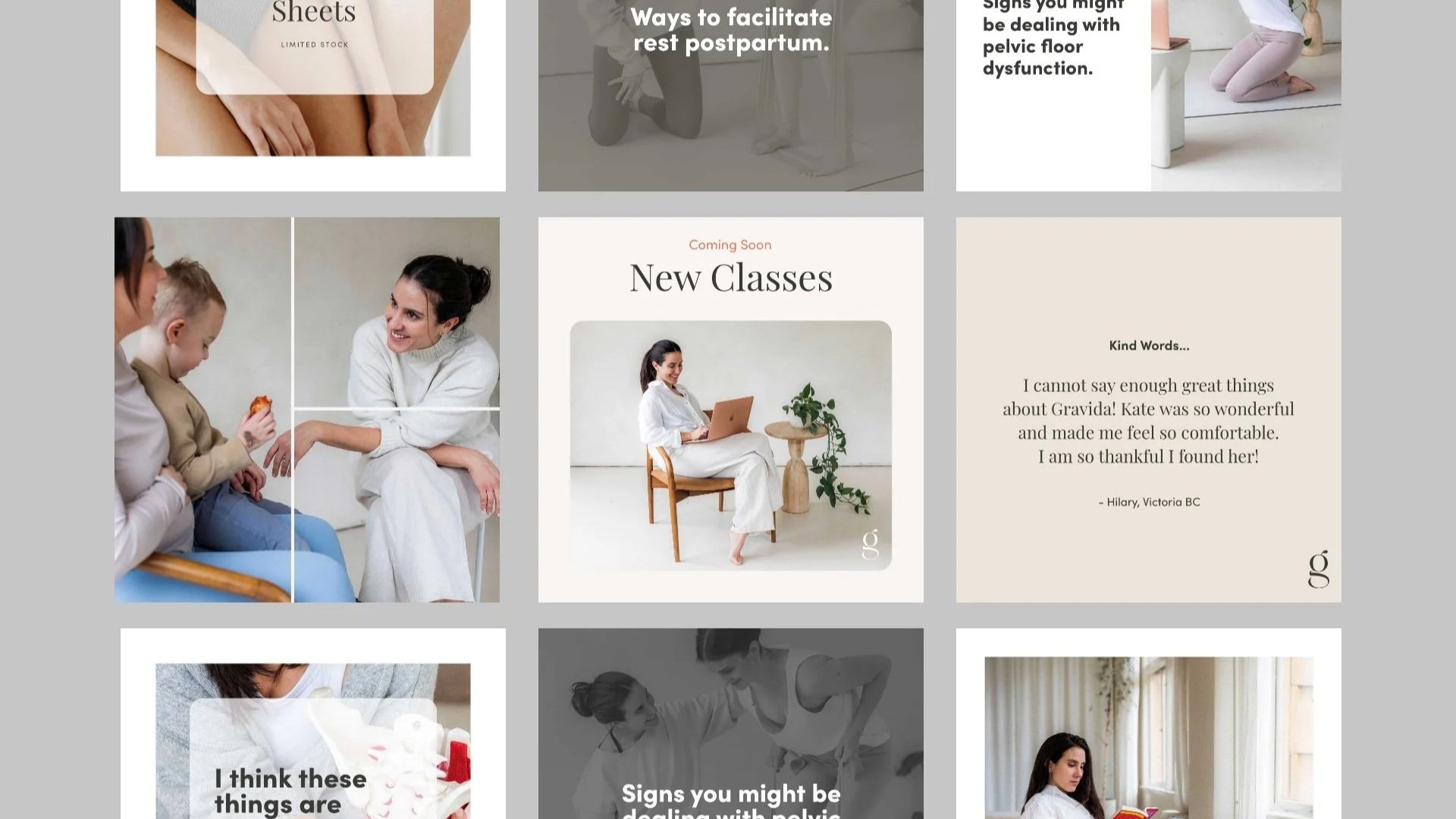
It's common to think of branding as something you do once and then move on from, which is part of the reason why businesses get so excited about the logo design portion of a branding project (although seeing your visual identity come to life is undeniably elating). It’s tempting for many businesses to leave the effort at making a logo so you can put it on a card, website, or sign, but branding is much more than that. The businesses that treat it that way often find themselves rebuilding from scratch a few years later, which in itself can be expensive and very damaging to customer loyalty and brand awareness.
Here's why branding deserves real attention from the beginning:
It helps you find and connect with your audience
A well-developed brand speaks directly to the people you're trying to reach. When your visual identity and messaging are aligned with the values and needs of your ideal audience, you naturally attract more of the right people (and fewer of the wrong ones). This really comes into play when you are creating audiences for paid marketing efforts, helping you focus on your target market with highly strategic content to make the most of your ad budget.
It helps you stand out
Most industries are crowded these days, with market saturation being a leading complaint of many struggling business owners. Good branding is one of the most effective tools you have for standing out. When your brand has a clear personality, a distinctive visual identity, and a strong point of view, you become recognizable, and that recognition builds trust and loyalty over time.
It creates consistency across every channel
From your website and social media to your packaging, proposals, and email signature, a cohesive brand ensures that every interaction someone has with your business feels like it comes from the same place, adding professionalism and polish to your brand’s appearance. That consistency builds credibility, trust, and loyalty.
It supports growth
When your brand is clearly defined, scaling becomes easier. With a foundation to build on (a consistent look, a clear voice, a suite of professionally designed assets, and a set of values that guide decision-making), it becomes possible for you to stay true to your brand and your audience’s expectations while you grow. Whether you're launching a new product, hiring more team members, or expanding into a new market, a strong brand gives you a solid starting point. Rebranding once you have gained an audience is always a risk that can lead to a loss of faith in the business; making sure you have a strategically planned brand from the beginning prevents future losses.
Branding is an investment, not an expense

Many businesses plan to tackle their branding once they feel established, and we understand this impulse when you are just starting out. There are a lot of competing priorities when you're in the building phase, and it is easy to see branding as aspirational. However, the truth is the businesses that invest in their brand early tend to grow faster, attract and retain better customers, and spend less time and money course-correcting down the road.
Professional branding doesn't have to mean spending a fortune. It means being intentional, and working with a studio that understands your needs and can help you create the image you deserve in the budget range you can afford. A professional designer can also create marketing materials you can use in-house with the skills you have to help keep costs down in the long run, like bespoke Canva templates and writing samples in your tone of voice. We want to help you stay polished long after your branding project is complete.
At Be Good, that's exactly what we help our clients do. Whether you're starting from scratch or refreshing a brand that's moved past its original identity, we bring the creative depth and strategic thinking to help you build a professional brand and visual identity with a supporting suite of materials that work hard for your business and grow alongside you.